Author: admin

  • Building Room by Room: Second Chance Village’s Growing Creative Home

    Second Chance Village is continuing to expand its presence inside a shared creative building in Akron.

    Our peer support space is gradually becoming more art-centered, with room for working studio activity, gallery space, Mental Martial Arts, peer support and other member-led creative work. We are also developing an additional upstairs room as The Neon Skeleton Candystore, giving the clubhouse another place for people to gather and helping us build a more sustainable membership environment.

    One of the things that makes this location valuable is that we are surrounded by other independent creative activity. Music, recording, performance, visual art and community projects already overlap here, which creates opportunities for our members to participate in something larger than a traditional service program.

    We are intentionally building this slowly.

    Room by room. Program by program. Relationship by relationship.

    Our goal is not simply to operate another program where people come in, receive a service and leave. We want to build an environment where people can belong, create, contribute, develop skills and become part of a functioning creative community.

    For us, the next stage is about stability: keeping a dependable home for our peer support club, continuing to develop the Neon Skeleton identity, strengthening the arts side of our work and finding funding partners who understand the value of long-term community space.

    There is much more developing behind the scenes than we are ready to announce publicly yet.

    For now, we are building.

  • A Busy Summer at Second Chance Village: What We’ve Been Building and What Comes Next

    The last couple of months have been busy for Second Chance Village / Familiar Faces Fellowship. Some of the work has been visible in the community. Some of it has happened behind the scenes: writing grants, building partnerships, developing new programming, improving our systems, raising money, and figuring out how to keep doing more with limited resources.

    Through all of it, our basic purpose has stayed the same: creating practical community, peer support, opportunity and connection for people facing homelessness, recovery challenges, trauma and social isolation.

    Peer Support Has Continued

    Our core peer-support work has continued through three primary activities: Mental Martial Arts, Sharing Circles and Mobile Outreach.

    Mental Martial Arts continues to use discussion, strategy and lived experience to work on communication, boundaries, conflict, decision-making, leadership and consequences. It is not therapy and it is not a lecture. It is peer-led education built around learning how to navigate difficult situations more effectively.

    Our Sharing Circles continue to give people a place to talk about goals, setbacks, barriers, progress, creativity, relationships and the things happening in their lives without having to enter a traditional clinical environment.

    Mobile Outreach has allowed us to take peer support outside of our walls through supplies, referrals, follow-up, conversation and direct connection with people in the community. Funding limitations have affected how consistently we can operate outreach, which is exactly why transportation and outreach funding remain priorities for us.

    During our recent reporting period, we documented substantial participation across these activities, including returning Mental Martial Arts participants, repeat Sharing Circle participation, clubhouse membership and members and volunteers beginning to take on leadership responsibilities.

    That last part matters to us.

    Second Chance Village was never supposed to be a place where people simply receive services forever. We want people to gradually become part of the community that provides them.

    We Completed Another Major Grant Reporting Cycle

    A large amount of work this summer also went into completing our reporting for the Akron Community Foundation Health & Human Services funding that supported Second Chance Village.

    That funding helped support the unglamorous things that make grassroots work possible: program space, communications, food and hospitality, transportation, supplies, technology, digital tools, outreach expenses and basic operating infrastructure.

    We have also been strengthening our bookkeeping, receipts, grant reconciliation, participant documentation and program tracking.

    For a small peer-led organization, building administrative capacity is just as important as building programs. Grassroots organizations are frequently expected to perform the same compliance and documentation functions as much larger institutions, despite operating with a fraction of the staff and resources.

    We are continuing to build that capacity.

    The Clubhouse Model Is Becoming More Portable

    One lesson that has become increasingly clear is that Second Chance Village is bigger than one particular room or building.

    The clubhouse remains important as a home base, but Mental Martial Arts, Sharing Circles, peer support, outreach and creative activities can also happen in community spaces, temporary spaces, partner locations, events and other environments.

    That makes our model more resilient.

    It also means future partnerships do not necessarily require another organization to hand us a building. A partner might provide meeting space once a week, transportation, equipment, referrals, instructors, event access, supplies or another piece of infrastructure that allows the work to happen.

    We can build the village from multiple pieces.

    We Started Building a Much Bigger Creative Recovery Initiative

    One of the biggest developments has been the expansion of the Neon Skeleton Candystore as an arts initiative connected to the broader work of Second Chance Village.

    The concept has grown beyond simply having art available at the clubhouse.

    We are developing a creative community involving music and recording, visual art, theatre, puppet work, costume and prop building, makers activities, rehearsal, performance, listening events and collaborative projects.

    We have begun developing Theatre Lab activities involving character development, improvisation, devising, vocal work, creature work, movement and performance.

    We are also building recording capability and developing original music and media.

    The larger idea is important to our mission.

    A person who would never voluntarily walk into something labeled a recovery program might walk into a recording session.

    Someone who feels uncomfortable entering a conventional support environment might participate in a theatre project, help construct a prop, make art, perform, record music or work on an event.

    Once somebody becomes part of a community where they are useful, known and expected to return, something changes.

    Relationships begin forming.

    Those relationships can become pathways to peer support, recovery resources, employment connections, transportation, housing resources and other opportunities.

    We are calling this approach Creative Recovery.

    We Have Been Building New Relationships

    We have also spent considerable time reaching outward.

    We have begun conversations with artists, musicians, arts organizations and potential community partners about how they might participate without Second Chance Village giving up its independence or identity.

    We have also reached out to organizations and individuals who could bring resources, knowledge or connections into the project.

    The objective is not to duplicate what other organizations already do well.

    It is to connect people and resources that normally operate in completely different circles.

    One of our long-term goals is intentionally creating spaces where people recovering from homelessness and poverty participate alongside artists, professionals, business owners, volunteers and other community members.

    Social networks are resources too.

    Sometimes changing who someone knows can change what becomes possible for them.

    We Have Been Developing Original Creative Work

    The Neon Skeleton Candystore has also begun developing its own creative output.

    That includes original music, recording projects, theatrical concepts, puppetry, performance ideas, visual art and other media.

    We recently established an online presence for the music side of the project through Bandcamp, giving us another way to distribute creative work and eventually generate earned revenue.

    This is part of a larger strategy.

    We do not want Second Chance Village to survive entirely by asking people for donations forever.

    Donations and grants are important, but we also want to develop projects capable of producing their own revenue, employing people, paying artists, supporting programming and helping finance the mission.

    Some Programs Have Also Had to Change

    Not every update is an expansion.

    Our Women’s Respite work operated while funding was available, including overnight crisis respite and later day respite. That work eventually had to end when the available donor funding was exhausted.

    Mobile Outreach has faced similar funding pressure.

    Those experiences reinforce something we have said for years: grassroots programs can demonstrate need, build trust and show that something works, but none of that automatically pays the rent, buys fuel or keeps programs operating.

    Sustainability has to be deliberately built.

    That is one of our major focuses going forward.

    Fundraising Has Continued

    We have continued seeking individual donations, grant funding and other support while developing new ways for Second Chance Village to become financially sustainable.

    We are grateful for the people who continue to contribute. Even comparatively small donations matter at our scale because they can become transportation, food, program supplies, phone service, laundry, outreach materials or another week of operating expenses.

    We are also preparing additional foundation proposals, including funding requests focused on expanding the Creative Recovery Arts Initiative.

    Future fundraising will increasingly focus not only on emergency needs, but on capacity: transportation, equipment, recording technology, art supplies, storage, worktables, program space, operating costs and the infrastructure necessary to turn small programs into durable ones.

    What Comes Next

    Over the coming months, our priorities include:

    • Continuing Mental Martial Arts and Sharing Circles while rebuilding and strengthening our Mobile Outreach capacity.
    • Expanding the Creative Recovery Arts Initiative.
    • Building partnerships with artists, arts organizations, businesses and community institutions.
    • Developing our recording, theatre, makerspace and performance capabilities.
    • Producing original music, art, theatre and other creative projects.
    • Pursuing additional foundation and community funding.
    • Building more reliable earned-income streams so that every program dollar does not have to begin with a grant application.
    • Improving our administrative, financial and program documentation systems.
    • Creating more opportunities for members and participants to move from receiving support into leadership, creative work and paid opportunities.
    • Continuing to demonstrate that peer-led organizations can do more than manage crises—we can build communities where people actually have something to belong to.

    Second Chance Village has always been an experiment in what happens when people with lived experience are given enough room to build the kinds of communities we wished had existed when we needed them.

    That experiment is continuing.

    Some pieces have worked.

    Some have had to change.

    Some are becoming much larger than we originally imagined.

    We are still building.

    If you are an artist, business, foundation, organization, volunteer, donor or community member who sees something here that you could help strengthen, we would like to hear from you.

    Second chances require more than services. They require somewhere to go, something to do, people to know and a reason to come back tomorrow.

    That is what we are trying to build.
  • Driven by Lived Experience: How One Car Powers Our Outreach

    At Second Chance Village, recovery doesn’t happen behind a desk — it happens in the streets, shelters, parking lots, and porches where our members, students, and clients actually live. That’s the heart of our “Driven by Lived Experience” program: peer-support specialists with real recovery stories, behind the wheel, showing up where help is needed most.

    Weekly Outreach. Every week, our team loads the vehicle with harvest boxes, hygiene kits, Narcan, recovery resources, and referral info, then runs a planned route through Akron’s most underserved corners. It isn’t a drive-by — it’s relationship-building on wheels.

    Daily Outreach. Day in and day out, the same vehicle transports members and clients to medical appointments, court dates, job interviews, treatment intakes, peer-support meetings, and SCV programming. For someone rebuilding their life, a ride isn’t a luxury — it’s the difference between progress and a missed opportunity.

    Why It Matters. Reliable transportation, driven by people who have walked the same road, removes one of the largest barriers to recovery and stability. Every mile is a mile toward dignity, accountability, and second chances.

    Fuel the mission — donate, volunteer, or partner with us today.

  • $50 a Week Meal Plan for Ruthless Ninjas

    $50 a week. A Microwave, one small shelf and one minifridge.
    Meal plan. Seven days of breakfast, lunch, dinner, and snacks for less than $50 a week and designed for ruthless ninjas like me.

    What’s in it:

    Bananas, oranges, apples

    Broccoli, cauliflower, greens, carrots

    Eggs, tuna, chicken, black beans, peanuts

    Greek yogurt

    Powdered peanut butter, flatbread, tortillas

    I’m developing a full grocery list, daily nutrition, microwave prep techniques and storage solutions.

    $50 sponsors one groceries for a week for one person. $200 covers a full month. Every dollar helps.

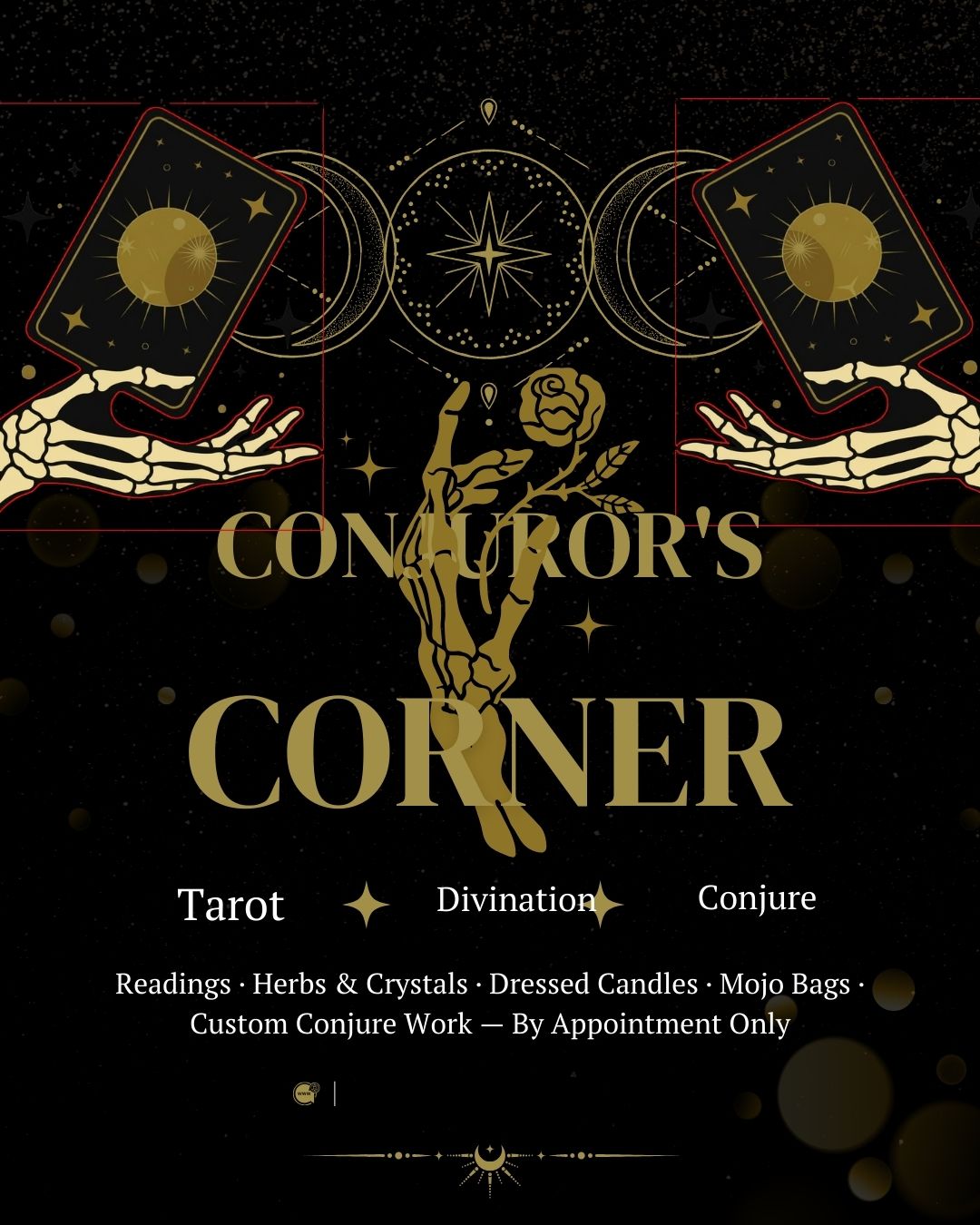
  • The Conjurors Corner Is Open: Tarot Readings at Second Chance Village

    They told you recovery only has one door.

    They lied.

    This week at Second Chance Village, our founder sat down with several clients for personal tarot card readings using only the Major Arcana — the 22 most powerful archetypes in the deck. The ones that have been whispering truths to seekers long before any recovery program existed.

    Death showed up. The Tower. Judgement. The Hanged Man. The Moon. The Wheel of Fortune.

    Every reading this week circled the same message: something in your life is already over. You know it. You’ve known it. The cards aren’t telling you anything new — they’re just making it impossible to keep pretending.

    Most people in recovery were handed a script. One path. One way to heal. And for some people, that works. But some people have been clean for years and they’re still lost. Still performing someone else’s version of freedom.

    The Major Arcana doesn’t care about your comfort zone. Neither do we.

    What Is the Conjurors Corner?

    The Conjurors Corner is our newest program at the Second Chance Village Clubhouse in Akron, Ohio. It brings together tarot, meditation, martial arts, and peer support under one roof — because recovery is spiritual work, and spiritual work doesn’t have to look one way.

    We use only the Major Arcana — the 22 archetypal cards that speak to life’s biggest themes: transformation, truth, cycles, power, and surrender. These aren’t fortune-telling sessions. They’re confrontations with clarity.

    If you’ve been sitting on a decision, going through a transition, or just need someone to hold space while the truth surfaces — the Conjurors Corner is open.

    Support the Mission

    Second Chance Village is a 501(c)(3) nonprofit serving trauma survivors recovering from homelessness in Akron, Ohio. Every dollar directly supports programming, outreach, food services, and housing stabilization.

    Donate:

  • New Policy: Drug Testing Now Required for All SCV Members, Clients & Students

    Second Chance Village now requires drug testing for all members, clients, and students as a condition of entry to our programs and property.

    We’ve partnered with a nearby facility to handle testing. This does require funding. If you believe in keeping our community safe and accountable, your donations directly support this effort.

    We currently have a handful of people ready for same-day testing with your help.

    Drug testing keeps our space free from fentanyl activity and ensures honesty in our recovery process. Testing is voluntary in the same way membership is voluntary — it’s required for entry to our programs, property, and active client status. Tests may be administered at random or upon suspicion.

    Simple: if you don’t like it, don’t come. If you don’t come, don’t come back.

    How It Works: Drug Testing & Your Membership

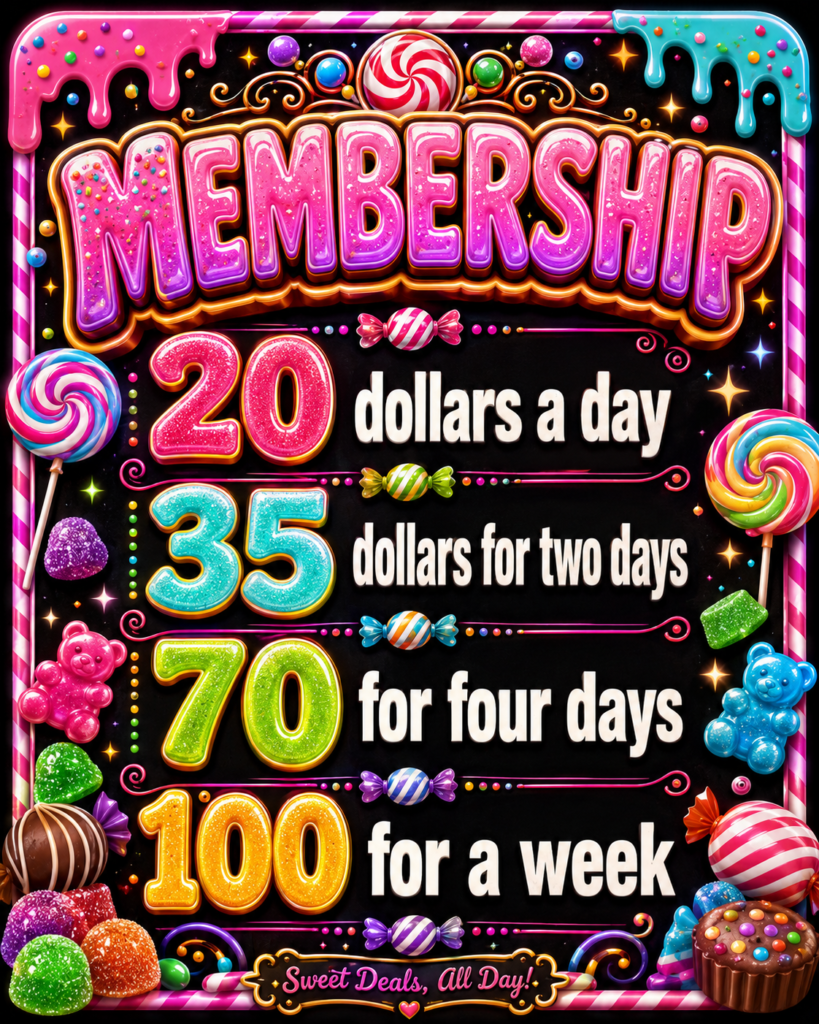
    Drug testing is built into your SCV membership. When you pay your $200 monthly membership dues, testing is already covered. There are no surprise fees, no extra charges. Your membership includes regular drug testing along with everything else SCV provides — peer support, programming, facility access, food services, outreach, and accountability.

    This is what separates Second Chance Village from everywhere else. We are not just giving people a place to exist. We are running an accountability-based recovery program. The testing proves it. Your clean test is your receipt that you are doing the work.

    For those who cannot afford the full membership, we offer sponsored memberships funded by donations and grant support. No one is turned away from recovery because of money. But everyone is held to the same standard once they are here.

    Every dollar donated to SCV’s testing program directly funds a safer, fentanyl-free recovery environment. Your support keeps our people honest, our space clean, and our community alive — literally.

    If you want to sponsor a member’s testing or contribute to the program, donate through the link on this page or contact us directly.

    How Membership Dues Cover Testing Costs

    SCV membership is $200 per month. A portion of that fee goes directly toward funding regular drug testing for each member. Each test costs approximately $20, which means your dues help cover multiple tests throughout the month while also supporting the programs, space, and services that make SCV possible.

    By building testing into the membership structure, we ensure that every member is contributing to the safety and integrity of the community they belong to. No one gets a pass. No one is singled out. Everyone pays in, everyone plays by the same rules.

    This model also allows us to maximize the impact of our ACF opioid grant funding by supplementing testing costs through membership revenue. That means more resources for recovery programming, peer support, and maintaining a space where people can heal without worrying about fentanyl or other substances putting their lives at risk.

    Your $200 a month is not just a membership fee — it is an investment in your own recovery and in the safety of everyone around you.

  • The Conjuror’s Corner at the Clubhouse: Ritual, Reflection, and Recovery Support

    The Conjuror’s Corner at the Clubhouse: Ritual, Reflection, and Recovery Support

    A Different Kind of Recovery Space

    At Second Chance Village, recovery has never been a one-size-fits-all journey. For some people, healing begins in a meeting room; for others, it begins in a quiet corner with candles, cards, and space to breathe. The Conjuror’s Corner at the Clubhouse was created for those who find strength, clarity, and comfort in spiritual practice, ritual, and symbolic guidance alongside — or outside of — more traditional supports.

    The Conjuror’s Corner is a dedicated space inside the Clubhouse for spiritual reflection, grounding, and recovery-centered support for people navigating stress, grief, uncertainty, and major life decisions. It is intentionally quiet, private, and rooted in respect for every person’s path, culture, and beliefs.

    What Happens in The Conjuror’s Corner

    The Conjuror’s Corner is not a party trick or a show; it is a practice space for people who are actively dealing with real-life challenges. Sessions are by appointment only and are approached with care, intention, and discretion.

    Now available by appointment:

    • Tarot and cartomancy sessions for reflection, insight, and personal clarity, using the cards as mirrors for inner work rather than predictions carved in stone.
    • Divination-based guidance using pendulum, scrying, and related practices as tools for grounding, self-exploration, and decision support when life feels confusing or overwhelming.
    • Spiritual counsel for difficult situations, transitions, and emotional overload, offering space to talk, process, and seek meaning in what you are going through.
    • Rootwork and practical spiritual consultations focused on protection, intention-setting, and personal empowerment so participants can feel more resourced and less alone in their struggles.

    Coming soon:

    • Herbal wellness preparations and spiritual bath consultations to support relaxation, energetic cleansing, and nervous system calming as part of a broader recovery or wellness plan.
    • Custom charm and talisman work for encouragement, focus, protection, and staying connected to one’s intentions between sessions.
    • Ritual services centered on release, boundary-setting, cleansing, and uncrossing for people carrying heavy emotional burdens, unhealthy attachments, or lingering energetic weight from past experiences.

    Who This Space Is For

    The Conjuror’s Corner is for people facing serious challenges who may connect with spiritual or non-traditional paths to healing. This includes, but is not limited to:

    • People in or seeking recovery who do not fully resonate with conventional approaches alone.
    • People living with grief, trauma, burnout, or major life changes who need more than “just talk” or “just coping skills.”
    • People whose cultural, ancestral, or personal practices include ritual, divination, or spiritual work, and who want a space where that is honored rather than judged.

    This space is built on discretion, respect, and a belief that recovery can include ritual, symbolism, meaning-making, and cultural or spiritual practice. It is not entertainment; it is a recovery-aligned, spiritually grounded support option for people who are doing real work on themselves.

    A Peer-Led Spiritual Wellness Offering

    The Conjuror’s Corner Recovery Project is the programmatic frame for this work inside the Clubhouse. It is a peer-led spiritual wellness offering that gives members a private space for reflection, ritual, symbolic guidance, and non-traditional recovery support.

    Through:

    • Tarot and divination
    • Spiritual counsel
    • Rootwork-informed consultation
    • Future herbal and ritual offerings

    the project helps participants process difficult situations, strengthen personal boundaries, explore meaning, and reconnect with hope. It is designed for people who may not respond to conventional approaches alone and who benefit from culturally open, spiritually grounded, trauma-aware support.

    How to Schedule a Session

    Sessions at The Conjuror’s Corner are by appointment only to protect the privacy, safety, and intentionality of the space. If you are interested in a session or want to learn more about whether this is a good fit for you:

    • Send a direct message (DM) to the Clubhouse/Second Chance Village social media page, or
    • Reach out to staff on-site to ask about availability and how to schedule.

    All sessions are held with respect, confidentiality, and a shared understanding that recovery can look many different ways — and that for some, ritual and spiritual practice are part of what keeps them going.

  • Welcome

    Welcome to Second Chance Village.