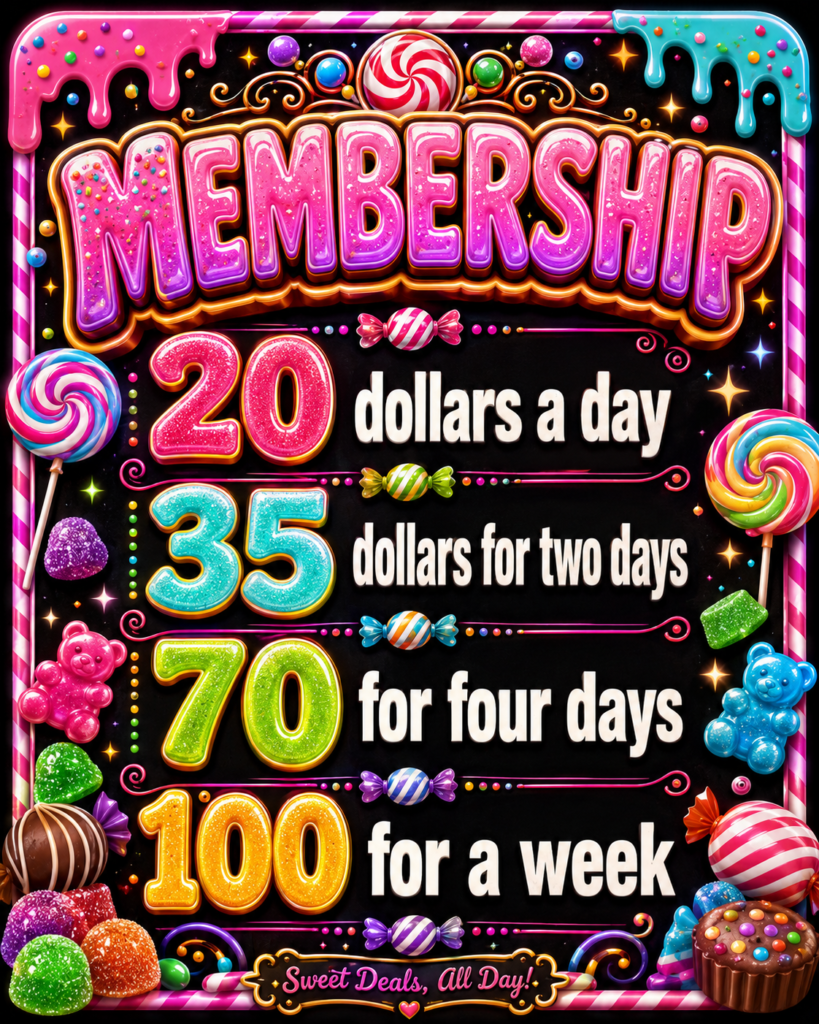
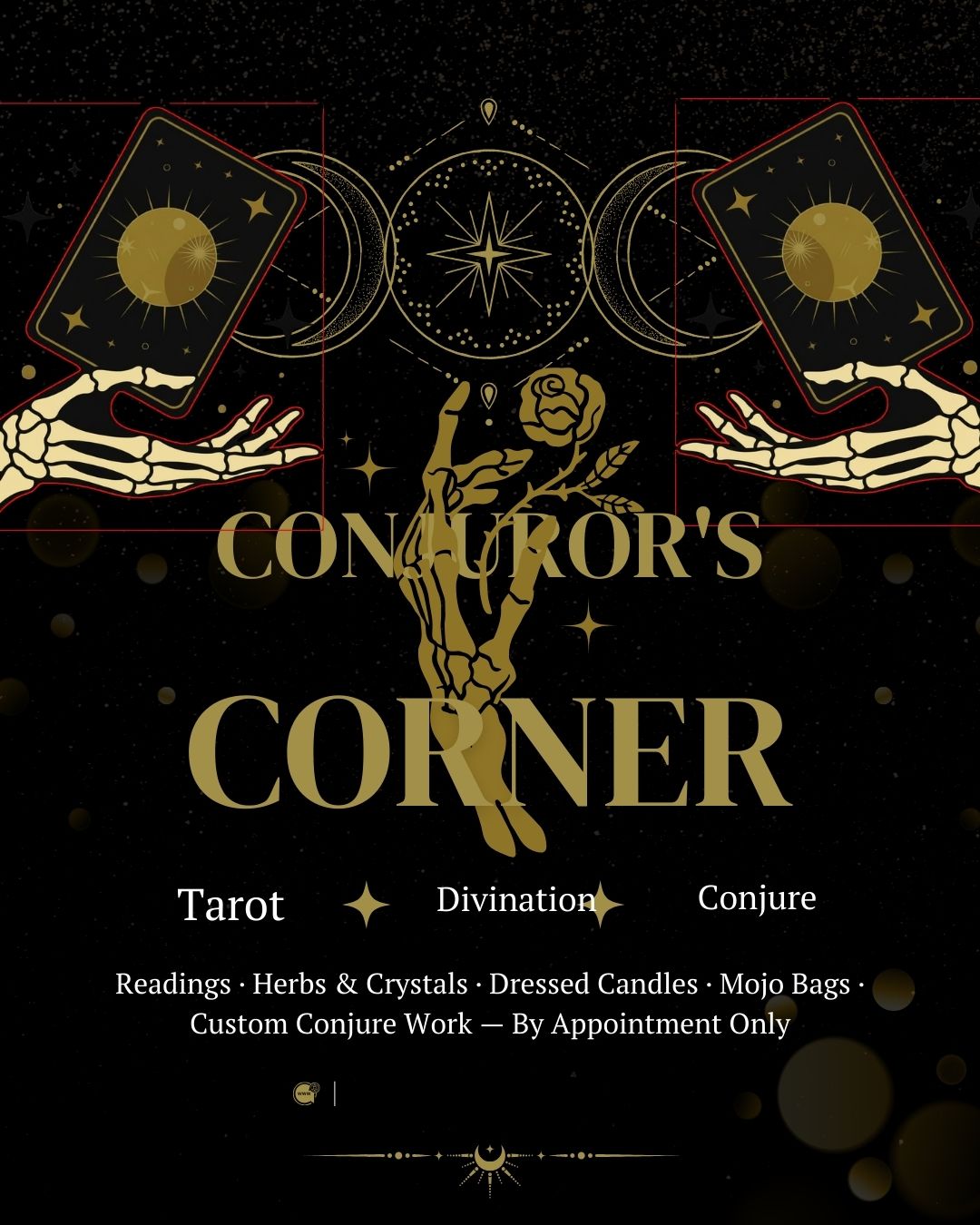
The last couple of months have been busy for Second Chance Village / Familiar Faces Fellowship. Some of the work has been visible in the community. Some of it has happened behind the scenes: writing grants, building partnerships, developing new programming, improving our systems, raising money, and figuring out how to keep doing more with limited resources.
Through all of it, our basic purpose has stayed the same: creating practical community, peer support, opportunity and connection for people facing homelessness, recovery challenges, trauma and social isolation.
Peer Support Has Continued
Our core peer-support work has continued through three primary activities: Mental Martial Arts, Sharing Circles and Mobile Outreach.
Mental Martial Arts continues to use discussion, strategy and lived experience to work on communication, boundaries, conflict, decision-making, leadership and consequences. It is not therapy and it is not a lecture. It is peer-led education built around learning how to navigate difficult situations more effectively.
Our Sharing Circles continue to give people a place to talk about goals, setbacks, barriers, progress, creativity, relationships and the things happening in their lives without having to enter a traditional clinical environment.
Mobile Outreach has allowed us to take peer support outside of our walls through supplies, referrals, follow-up, conversation and direct connection with people in the community. Funding limitations have affected how consistently we can operate outreach, which is exactly why transportation and outreach funding remain priorities for us.
During our recent reporting period, we documented substantial participation across these activities, including returning Mental Martial Arts participants, repeat Sharing Circle participation, clubhouse membership and members and volunteers beginning to take on leadership responsibilities.
That last part matters to us.
Second Chance Village was never supposed to be a place where people simply receive services forever. We want people to gradually become part of the community that provides them.
We Completed Another Major Grant Reporting Cycle
A large amount of work this summer also went into completing our reporting for the Akron Community Foundation Health & Human Services funding that supported Second Chance Village.
That funding helped support the unglamorous things that make grassroots work possible: program space, communications, food and hospitality, transportation, supplies, technology, digital tools, outreach expenses and basic operating infrastructure.
We have also been strengthening our bookkeeping, receipts, grant reconciliation, participant documentation and program tracking.
For a small peer-led organization, building administrative capacity is just as important as building programs. Grassroots organizations are frequently expected to perform the same compliance and documentation functions as much larger institutions, despite operating with a fraction of the staff and resources.
We are continuing to build that capacity.
The Clubhouse Model Is Becoming More Portable
One lesson that has become increasingly clear is that Second Chance Village is bigger than one particular room or building.
The clubhouse remains important as a home base, but Mental Martial Arts, Sharing Circles, peer support, outreach and creative activities can also happen in community spaces, temporary spaces, partner locations, events and other environments.
That makes our model more resilient.
It also means future partnerships do not necessarily require another organization to hand us a building. A partner might provide meeting space once a week, transportation, equipment, referrals, instructors, event access, supplies or another piece of infrastructure that allows the work to happen.
We can build the village from multiple pieces.
We Started Building a Much Bigger Creative Recovery Initiative
One of the biggest developments has been the expansion of the Neon Skeleton Candystore as an arts initiative connected to the broader work of Second Chance Village.
The concept has grown beyond simply having art available at the clubhouse.
We are developing a creative community involving music and recording, visual art, theatre, puppet work, costume and prop building, makers activities, rehearsal, performance, listening events and collaborative projects.
We have begun developing Theatre Lab activities involving character development, improvisation, devising, vocal work, creature work, movement and performance.
We are also building recording capability and developing original music and media.
The larger idea is important to our mission.
A person who would never voluntarily walk into something labeled a recovery program might walk into a recording session.
Someone who feels uncomfortable entering a conventional support environment might participate in a theatre project, help construct a prop, make art, perform, record music or work on an event.
Once somebody becomes part of a community where they are useful, known and expected to return, something changes.
Relationships begin forming.
Those relationships can become pathways to peer support, recovery resources, employment connections, transportation, housing resources and other opportunities.
We are calling this approach Creative Recovery.
We Have Been Building New Relationships
We have also spent considerable time reaching outward.
We have begun conversations with artists, musicians, arts organizations and potential community partners about how they might participate without Second Chance Village giving up its independence or identity.
We have also reached out to organizations and individuals who could bring resources, knowledge or connections into the project.
The objective is not to duplicate what other organizations already do well.
It is to connect people and resources that normally operate in completely different circles.
One of our long-term goals is intentionally creating spaces where people recovering from homelessness and poverty participate alongside artists, professionals, business owners, volunteers and other community members.
Social networks are resources too.
Sometimes changing who someone knows can change what becomes possible for them.
We Have Been Developing Original Creative Work
The Neon Skeleton Candystore has also begun developing its own creative output.
That includes original music, recording projects, theatrical concepts, puppetry, performance ideas, visual art and other media.
We recently established an online presence for the music side of the project through Bandcamp, giving us another way to distribute creative work and eventually generate earned revenue.
This is part of a larger strategy.
We do not want Second Chance Village to survive entirely by asking people for donations forever.
Donations and grants are important, but we also want to develop projects capable of producing their own revenue, employing people, paying artists, supporting programming and helping finance the mission.
Some Programs Have Also Had to Change
Not every update is an expansion.
Our Women’s Respite work operated while funding was available, including overnight crisis respite and later day respite. That work eventually had to end when the available donor funding was exhausted.
Mobile Outreach has faced similar funding pressure.
Those experiences reinforce something we have said for years: grassroots programs can demonstrate need, build trust and show that something works, but none of that automatically pays the rent, buys fuel or keeps programs operating.
Sustainability has to be deliberately built.
That is one of our major focuses going forward.
Fundraising Has Continued
We have continued seeking individual donations, grant funding and other support while developing new ways for Second Chance Village to become financially sustainable.
We are grateful for the people who continue to contribute. Even comparatively small donations matter at our scale because they can become transportation, food, program supplies, phone service, laundry, outreach materials or another week of operating expenses.
We are also preparing additional foundation proposals, including funding requests focused on expanding the Creative Recovery Arts Initiative.
Future fundraising will increasingly focus not only on emergency needs, but on capacity: transportation, equipment, recording technology, art supplies, storage, worktables, program space, operating costs and the infrastructure necessary to turn small programs into durable ones.
What Comes Next
Over the coming months, our priorities include:
- Continuing Mental Martial Arts and Sharing Circles while rebuilding and strengthening our Mobile Outreach capacity.
- Expanding the Creative Recovery Arts Initiative.
- Building partnerships with artists, arts organizations, businesses and community institutions.
- Developing our recording, theatre, makerspace and performance capabilities.
- Producing original music, art, theatre and other creative projects.
- Pursuing additional foundation and community funding.
- Building more reliable earned-income streams so that every program dollar does not have to begin with a grant application.
- Improving our administrative, financial and program documentation systems.
- Creating more opportunities for members and participants to move from receiving support into leadership, creative work and paid opportunities.
- Continuing to demonstrate that peer-led organizations can do more than manage crises—we can build communities where people actually have something to belong to.
Second Chance Village has always been an experiment in what happens when people with lived experience are given enough room to build the kinds of communities we wished had existed when we needed them.
That experiment is continuing.
Some pieces have worked.
Some have had to change.
Some are becoming much larger than we originally imagined.
We are still building.
If you are an artist, business, foundation, organization, volunteer, donor or community member who sees something here that you could help strengthen, we would like to hear from you.
Second chances require more than services. They require somewhere to go, something to do, people to know and a reason to come back tomorrow.
That is what we are trying to build.